
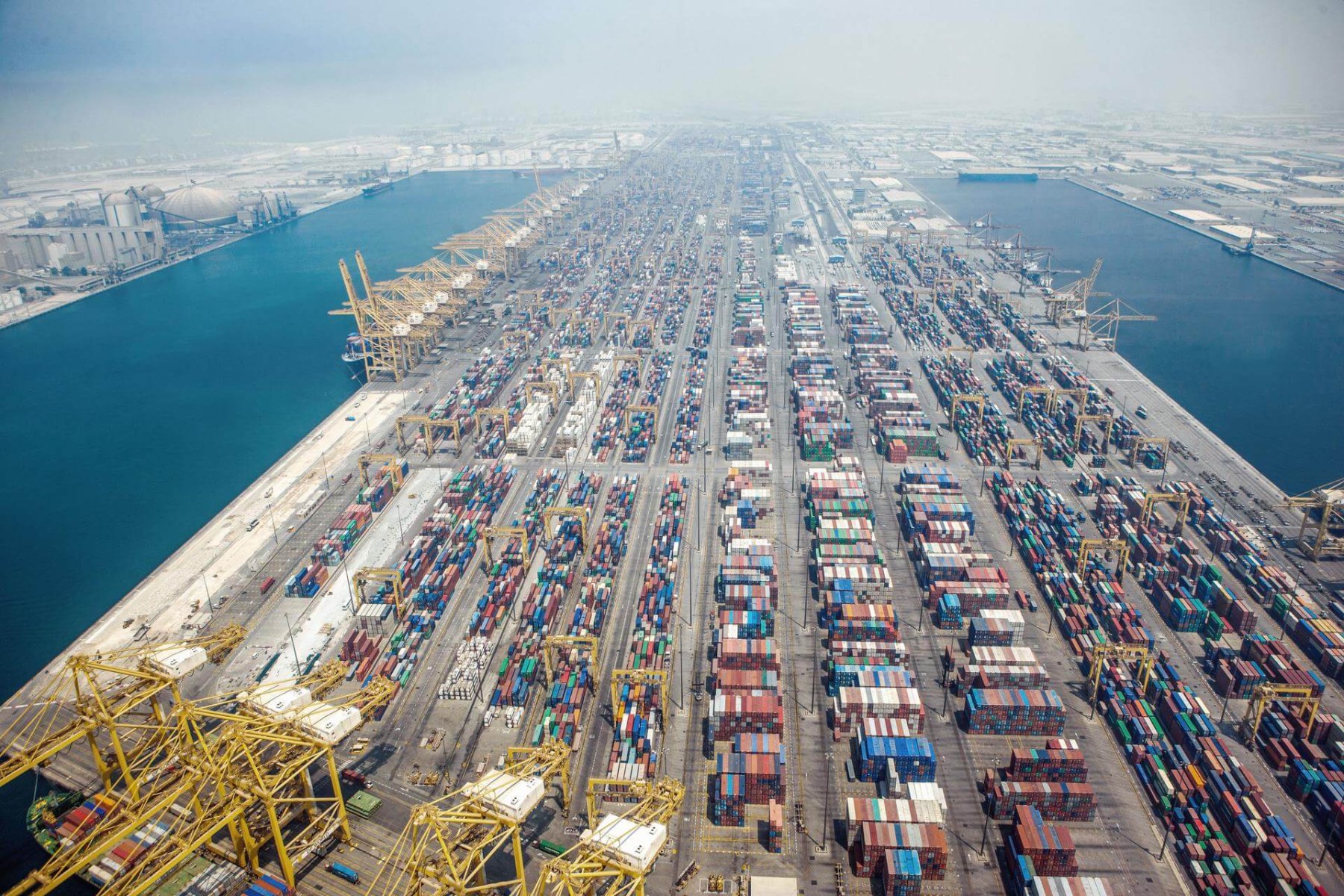
Located in Dubai, the Jebel Ali Port is one of the busiest and most advanced ports in the Middle East. Handling millions of containers each year, it requires a highly durable, corrosion-resistant, and low-maintenance infrastructure to ensure uninterrupted operations in a challenging marine environment. One material that has proven essential in this setting is FRP (Fiberglass Reinforced Plastic).
Why FRP Materials Are Ideal for Port Infrastructure
The port’s coastal location exposes its structures to saltwater, humidity, and intense sunlight. Traditional materials like steel and wood are prone to corrosion and degradation over time. In contrast, FRP offers excellent corrosion resistance, chemical stability, and high mechanical strength, making it the preferred choice for marine and port facilities.
FRP products are also lightweight, which simplifies installation and reduces overall structural load. Their non-conductive and non-magnetic properties add safety advantages, particularly in environments where both human operation and sensitive equipment coexist.
Key FRP Applications at Jebel Ali Port
At Jebel Ali Port, FRP materials are widely used in multiple critical areas to improve safety, performance, and lifespan of infrastructure.
1. Walkways and Platforms
FRP gratings are installed across various docks, bridges, and maintenance areas. They provide a slip-resistant surface that remains safe even under wet and oily conditions. Unlike steel grating, FRP does not rust, reducing maintenance and replacement frequency.
2. Handrails and Ladders
FRP handrail and ladder systems replace traditional metal structures that corrode quickly in salty air. Their UV-resistant coating maintains long-term appearance and safety with minimal upkeep.
3. Cable Trays and Support Systems
Electrical cable management at ports requires materials that resist both corrosion and conductivity. FRP cable trays provide insulation and mechanical stability, ensuring safe power distribution throughout the port area.
4. Drainage and Access Covers
FRP molded gratings and manhole covers are used for drainage channels and underground access points. They combine strength with easy handling and can be customized to different load classes depending on vehicle and foot traffic.
Long-Term Benefits of Using FRP in Port Construction
The use of FRP in Jebel Ali Port has resulted in significant long-term advantages.
First, the maintenance cycle has been reduced dramatically — no need for periodic repainting or anti-corrosion coating as with metal structures.
Second, the service life of FRP products often exceeds 20 years, even under constant UV exposure and saline conditions. The combination of strength, lightness, and environmental resistance makes FRP one of the most cost-effective solutions for large-scale infrastructure.
Lastly, FRP supports sustainability goals. Many manufacturers now use recyclable resins and energy-efficient production methods, aligning with Dubai’s broader vision for green infrastructure and smart port development.
Conclusion
The Jebel Ali Port project demonstrates how modern infrastructure benefits from advanced composite materials like FRP. From walkways and ladders to drainage systems, FRP components help create a safer, longer-lasting, and more sustainable port environment.
If you’re also exploring reliable FRP material suppliers for construction or infrastructure projects, click here to view FRP grating supplier information for the Jebel Ali Port Project.