
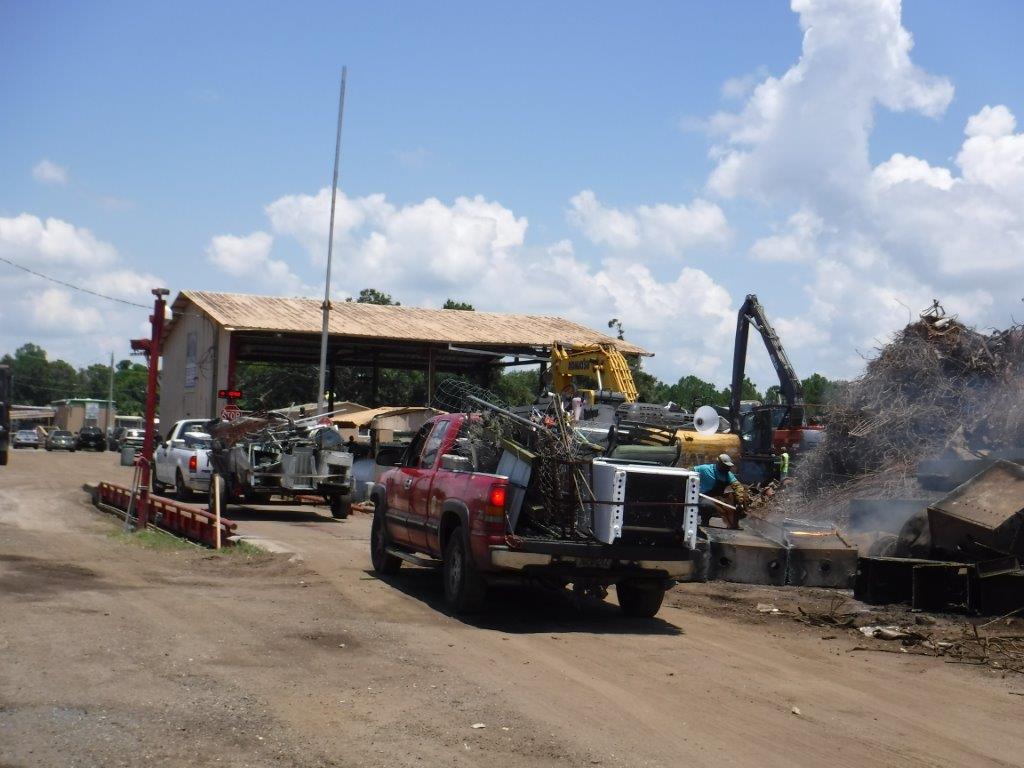
A dead car in the driveway does two things. It steals parking, and it slowly turns into a neighborhood complaint. Most people either sit on it for months or take the first cash-for-cars text that shows up. That is how you leave a few hundred dollars on the curb.
Junk car removal sounds like a haul-away job. It is also a scrap sale. The tow truck is the easy part. The money depends on steel weight, the catalytic converter, and whether the buyer is quoting you a convenience fee dressed up as a fair offer.
For a fast baseline before you text a removal company, use RecycleFind’s junk removal calculator and walk into the conversation with a range instead of hope.
What “junk car removal” actually means
When someone googles junk car removal, they usually want three things in one call: the car gone, no towing bill, and cash the same day. Local salvage dealers and national pickup networks sell that package hard on TikTok and Instagram right now. Same-day pickup. Free tow. Cash on the spot. The pitch is loud because the keyword pays. Google Ads still prices junk car removal near $18 CPC in the U.S., which tells you how competitive the lead is.
The quiet part: many offers are low because the buyer already baked their tow, title hassle, and margin into the number. Your job is not to become a scrap-yard expert overnight. Your job is to know the ballpark before you accept a figure that sounds generous only because you had zero reference point.
Where the money actually sits
A complete passenger car at a U.S. yard commonly lands in the $200 to $500 range. Heavier trucks and SUVs climb higher when the catalytic converter is still on the vehicle. That converter alone can be worth $100 to $300 on a lot of Honda and Toyota models, sometimes more on high-grade units. If someone offers you $75 for a complete late-2000s sedan with the cat still bolted on, you are not getting a deal. You are funding their afternoon.
Condition cuts the number fast. A car that runs and drives is worth more than a complete non-runner. Missing the engine or transmission drops you again. A stripped shell is basically body weight. Fluids left in the car can trigger yard fees of $20 to $50. Titles matter too. Some buyers will still take a car without a clean title, but the quote shrinks and the paperwork gets messy.
Before you call anyone, run a quick scrap estimate. RecycleFind’s junk car value tool at https://recyclefind.com/tools/junk-car-value builds a range from vehicle type, weight, condition, and current scrap assumptions. It will not replace a local weigh-in, but it stops the “I had no idea” problem that pickup buyers count on.
Keep driving it, part it out, or haul it
Not every ugly car should leave tomorrow. On Reddit this month, people still argue the same fork in the road. One UsedCars thread had an owner asking how much a tired daily was worth as scrap. The top pushback was blunt: if repairs are only about $100 a month, that is cheap transportation. A paid-off car that still moves beats a junk check that disappears in a week of Uber rides.
If the car is truly done, you still have options:
- Sell whole to a junkyard or pickup buyer: usually $300 to $500 for an average complete car, one day of hassle, lowest effort.
- Part it out yourself: can reach $800 to $2,000 over months if you have tools, storage, and patience. Most people do not.
- Donate for a tax deduction: paperwork path, not cash in hand.
- Retail buyers like CarMax or Carvana: only if the car still has real retail life. A non-runner rarely wins there.
In Chicago-area threads this summer, people also swapped names after a local wrecker closed. One commenter said Peddle picked up an old Hyundai with shot brakes and a dying engine for around $650. That is one data point, not a national rate card, but it shows why a blind $200 text offer deserves a second quote.
How junk car removal usually goes on the day
Expect a phone or online quote first. Honest buyers ask year, make, model, running condition, catalytic converter status, title status, and ZIP code. Vague “we pay top dollar” ads that never ask those questions are selling emotion, not metal.
Pickup day is simple when the car is in a driveway. It gets harder when the vehicle is wedged in a low garage, blocked by a fence, or missing wheels. South Florida salvage crews have been posting those jobs lately: wrecker will not clear the ceiling, so they change the extraction plan. If your car is stuck, say so before the truck leaves. Surprise logistics are how “free tow” turns into “we will take it, but the offer drops.”
Have the title ready if you have it. Clear personal items out of the glove box and trunk. Take the plates if your state requires that before scrap. Ask whether payment is cash, check, or digital transfer, and get the final number in writing before the winch goes on.
Pull a few parts only if the math is clean
The internet loves the “pull the cat first” tip. Sometimes it is right. A catalytic converter can out-earn the rest of the shell. Aluminum wheels can add $30 to $60. Batteries and intact radios are smaller money. The trap is spending four hours stripping a car for $90 in parts while the pickup buyer cuts the whole-car quote because you handed them a shell.
Do the napkin math. If removing the converter nets you more after tools, time, and a lower body offer, pull it. If you are guessing, leave the car complete and shop two or three removal quotes instead. Completeness is often the highest hourly wage available on a junk car.
A simple checklist before you book removal
- Get a scrap range first, not after the truck is in your street.
- Confirm whether the quote includes free towing and any title fees.
- Ask if the catalytic converter must stay on the car for that price.
- Compare at least two buyers. One quote is a monologue.
- Photograph the odometer, VIN plate, and overall condition.
- Cancel the insurance and registration after the bill of sale is done.
If you like thrifting and resale, the instinct is already there: do not hand a stranger the first number they shout across a bin. A junk car is the same habit with heavier metal. Run the numbers, then book the haul.