
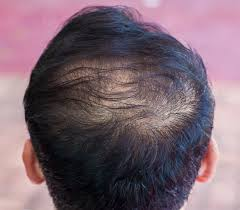
Stress does more than make a person feel tired or anxious. It can also affect the body in many ways, including hair health. Many men notice that their hair begins to thin or fall out during stressful times. While genetics plays a part in hair thinning, stress can speed up the process and make it worse.
For men seeking hair loss treatment options, understanding how stress impacts hair is a crucial step toward finding effective solutions. Stress changes how the body works, and this can interfere with the natural cycle of hair growth. With the right habits and care, it is possible to reduce the problem. This article explains how stress affects hair and offers ways to combat it.
How Stress Causes Hair Loss
When the body is under stress, it releases hormones such as cortisol. Too much cortisol interferes with many natural processes, including hair growth. Stress can push hair follicles into a resting phase. During this time, hair does not grow and eventually falls out. This condition is called telogen effluvium, and it is a common reason men lose hair during stressful periods.
Stress also affects blood flow. When circulation slows down, the scalp receives fewer nutrients. Without enough nourishment, hair roots weaken, and the strands become thin. Men who already have a family history of hair thinning may see faster and more visible hair loss when stress is high.
Signs That Stress Is Linked to Hair Loss
It can be hard to know if stress is the main reason for hair loss. Still, there are some signs that point to stress as the cause.
- Sudden shedding after a stressful event.
- Large amounts of hair are found on pillows, floors, or during showers.
- Hair is coming out in clumps instead of thinning slowly.
- Delayed regrowth that takes months to improve.
If these signs appear during stressful times, stress is likely playing a role. Knowing the cause early makes it easier to find ways to stop the problem from getting worse.
Daily Hair Care Habits
Good hair care is also important when dealing with stress-related hair loss. Gentle shampoos and avoiding harsh chemicals keep the scalp healthy. Reducing heat styling lowers the risk of damage. Scalp massages can increase blood flow and encourage growth. Drinking enough water keeps the scalp hydrated and supports stronger hair.
Men should also avoid tight hairstyles that pull on the roots. Treating the hair with care helps prevent breakage and reduces shedding. When combined with stress control, these steps can protect hair over the long term.
Hair Loss Treatments
While lifestyle changes and proper care help reduce stress-related hair loss, sometimes it requires support to strengthen the hair. Stress can cause temporary shedding, but in many cases, the impact may last longer and require more than just home remedies. This is where professional guidance becomes valuable, as doctors or specialists can suggest options that fit a person’s unique needs.
Hair loss treatment options can range from simple topical solutions that stimulate growth to nutritional support that addresses vitamin or mineral deficiencies. In more advanced cases, medical procedures may be considered to encourage new growth or restore hair density. These options give men a wider range of tools to manage hair health beyond daily routines.
Stress can have a major effect on hair, but men can take action to protect themselves. By lowering stress, following healthy routines, and taking care of the scalp, it is possible to improve hair health and feel more confident. A calm mind and steady habits give hair the best chance to grow strong again.